
Yeh Chi Wei Archive — Designing a Quiet Home for a Quiet Pioneer
- Jan 17
- 2 min read
Updated: Jan 18
Some artists are loud.
Some careers are carefully curated.
And then there are artists like Yeh Chi Wei — quiet, disciplined, deeply devoted to teaching, and almost invisible to the public eye for decades.

When I was entrusted with the task of designing the Yeh Chi Wei Archive, I knew immediately:this could not be treated like a “portfolio website”.
This was not about selling.
This was about remembering.
Designing with restraint, not noise
Yeh Chi Wei never sought attention.
He taught. He painted. He returned to the classroom.
While others chased visibility, he chose responsibility.
So the design had to do the same.
No visual shouting.No aggressive calls-to-action.
No trendy layouts that would age faster than the art itself.
Instead, we designed space.
White space that allows the works to breathe.
A calm rhythm that mirrors his discipline.
A structure that respects chronology, not algorithms.
The website does not interrupt you.
It waits — just like the artist once did.
An archive, not a campaign
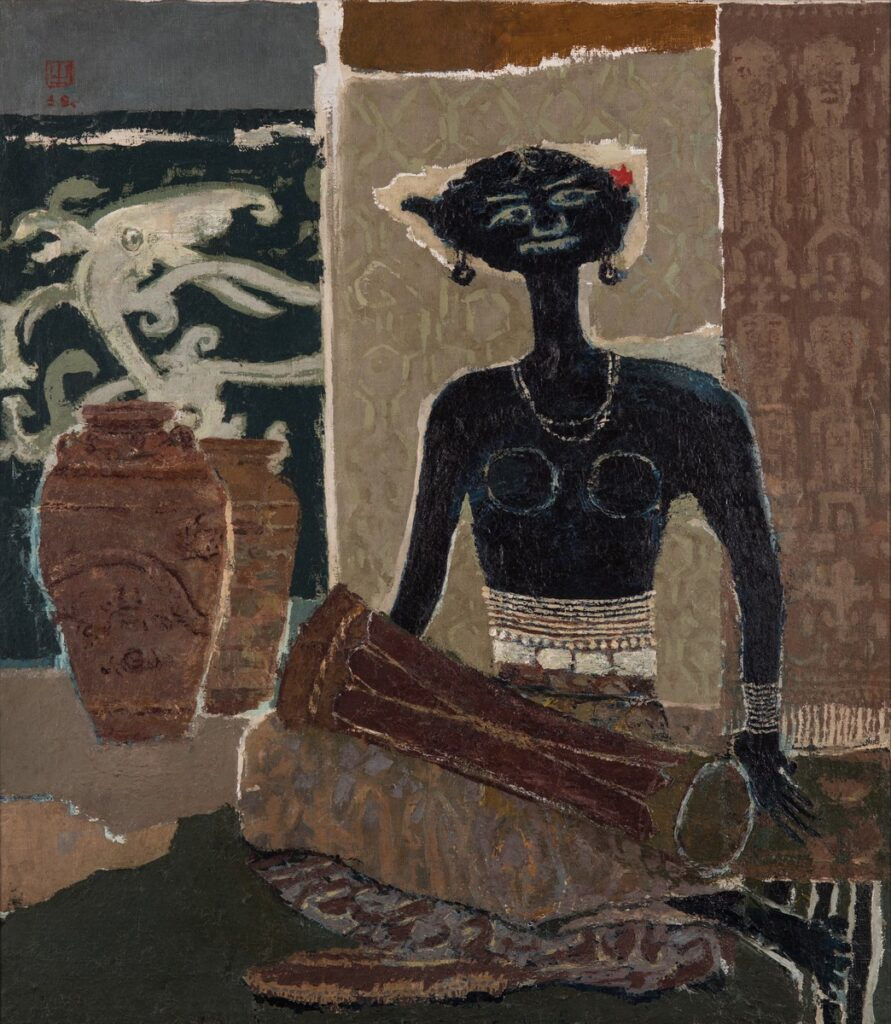
Many people confuse a website with marketing.
But for pioneers like Yeh Chi Wei,
a website must first be an archive —
a digital home where time slows down.
Each section was treated as a quiet room:
A place to understand his background
A place to encounter the works without pressure
A place to realise, gently, how much Singapore almost forgot
The goal was never to impress.The goal was to honour.
Designing for those who are no longer here to speak
One of the hardest parts of designing cultural websites is this question:
How do you design for someone who can no longer explain himself?
The answer is always the same:
You listen harder.
You listen to the paintings.
You listen to history.
You listen to silence.
Good design, especially for artists and institutions, is not about decoration.
It is about empathy translated into structure.
Why this matters beyond one website
The Yeh Chi Wei Archive is not just about one artist.
It represents a larger issue:
How many pioneers are still invisible online?
How many lifetimes of work are scattered across old catalogues and fading memories?
How many artists deserve a digital home that treats them with dignity?
A well-designed website does not replace exhibitions.It extends memory.
A note from the studio
I do not design websites to chase trends.
I design them to carry stories forward.
Whether you are:
An artist
An estate
A family
A society
Or a cultural organisation
Your work deserves more than a template.
It deserves care, structure, and respect.
If you believe your story should be told properly,
I would be honoured to help.
Sometimes, the quietest stories
are the ones most worth preserving.


